Jordan's Waqf runs religious affairs, Israel controls security, and every shift in the rules is felt across the region.
The factline one
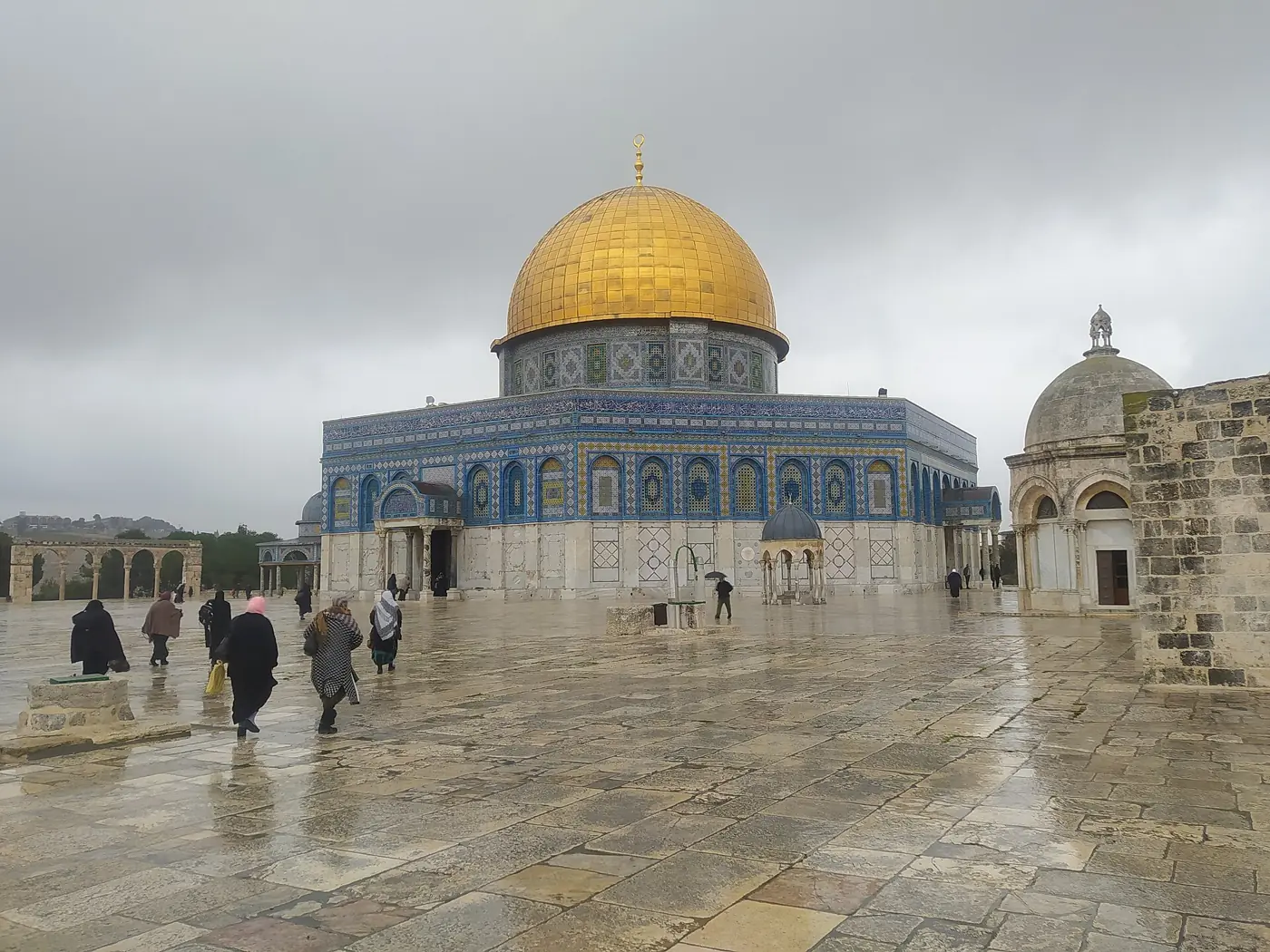
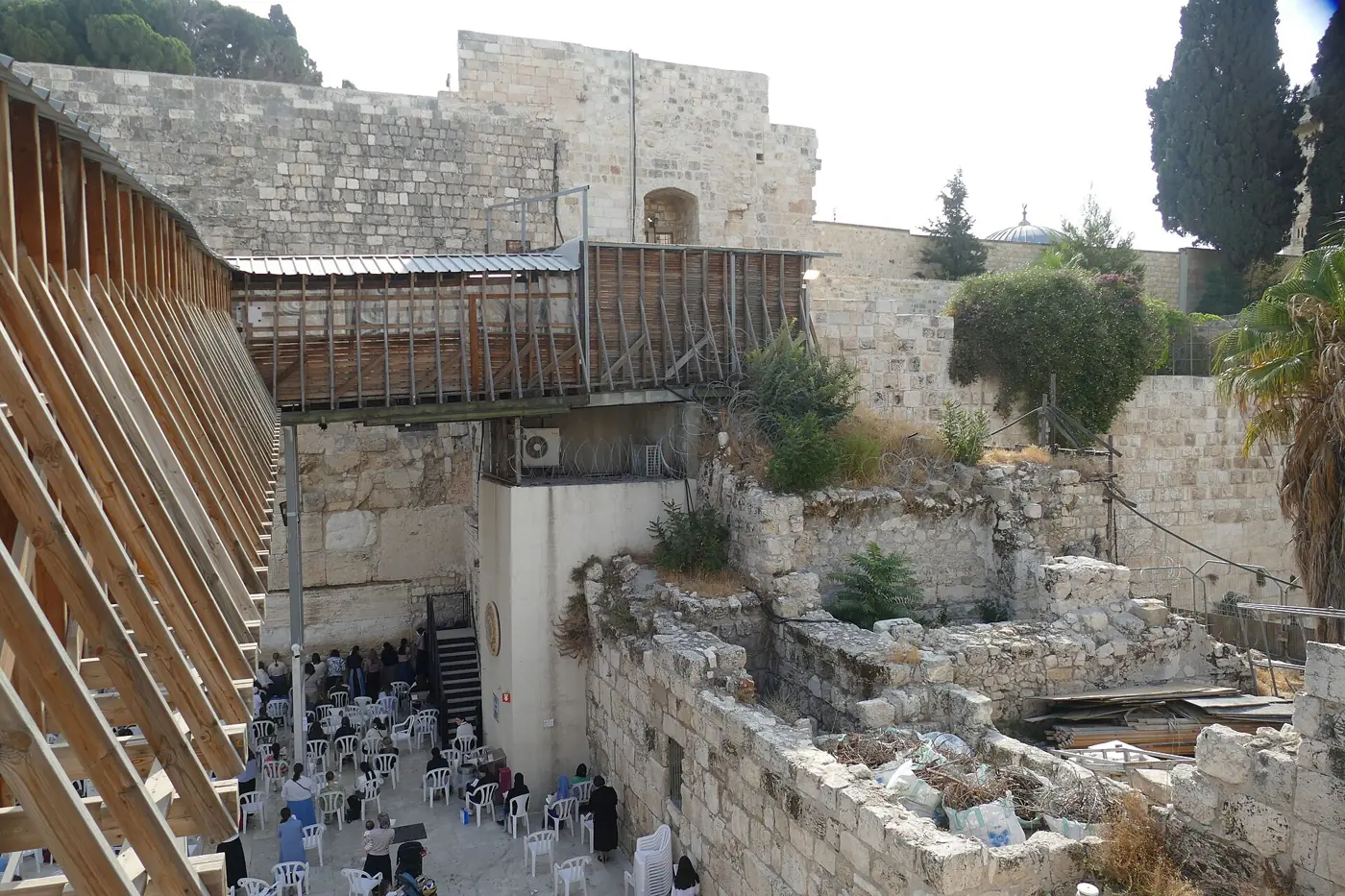
Under the long-standing status quo, Muslims pray at the compound while non-Muslims may visit only at set times through one gate and may not pray; police now in effect allow Jewish prayer on its eastern side.
On Tisha B'Av in July 2026 about 3,000 Jews had entered by midday, according to the advocacy group Beyadenu, and about a dozen were arrested for praying on the western side.
Most Palestinian Jerusalemites hold residency rather than citizenship and cannot vote in Israel's national elections, though policies on housing and policing shape their lives, Haaretz reported.
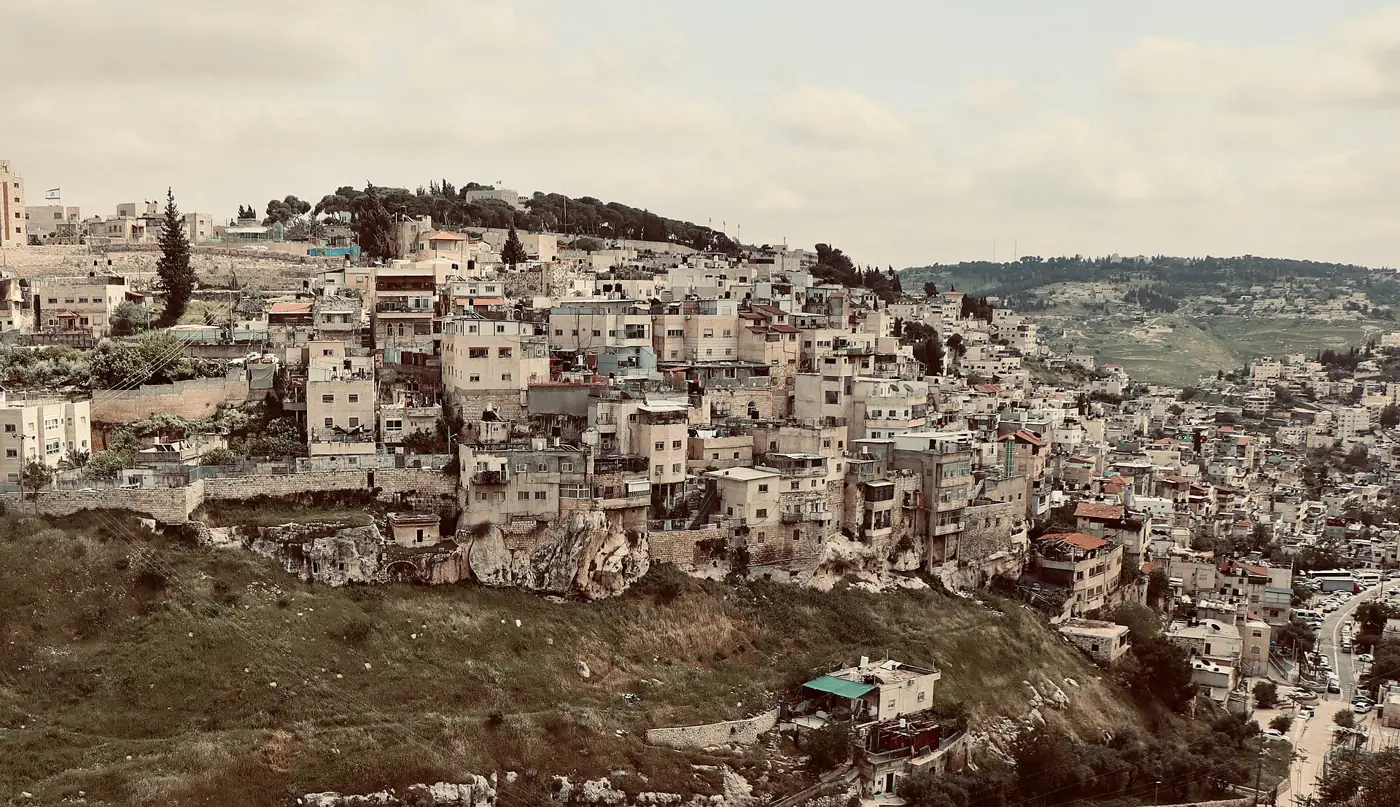
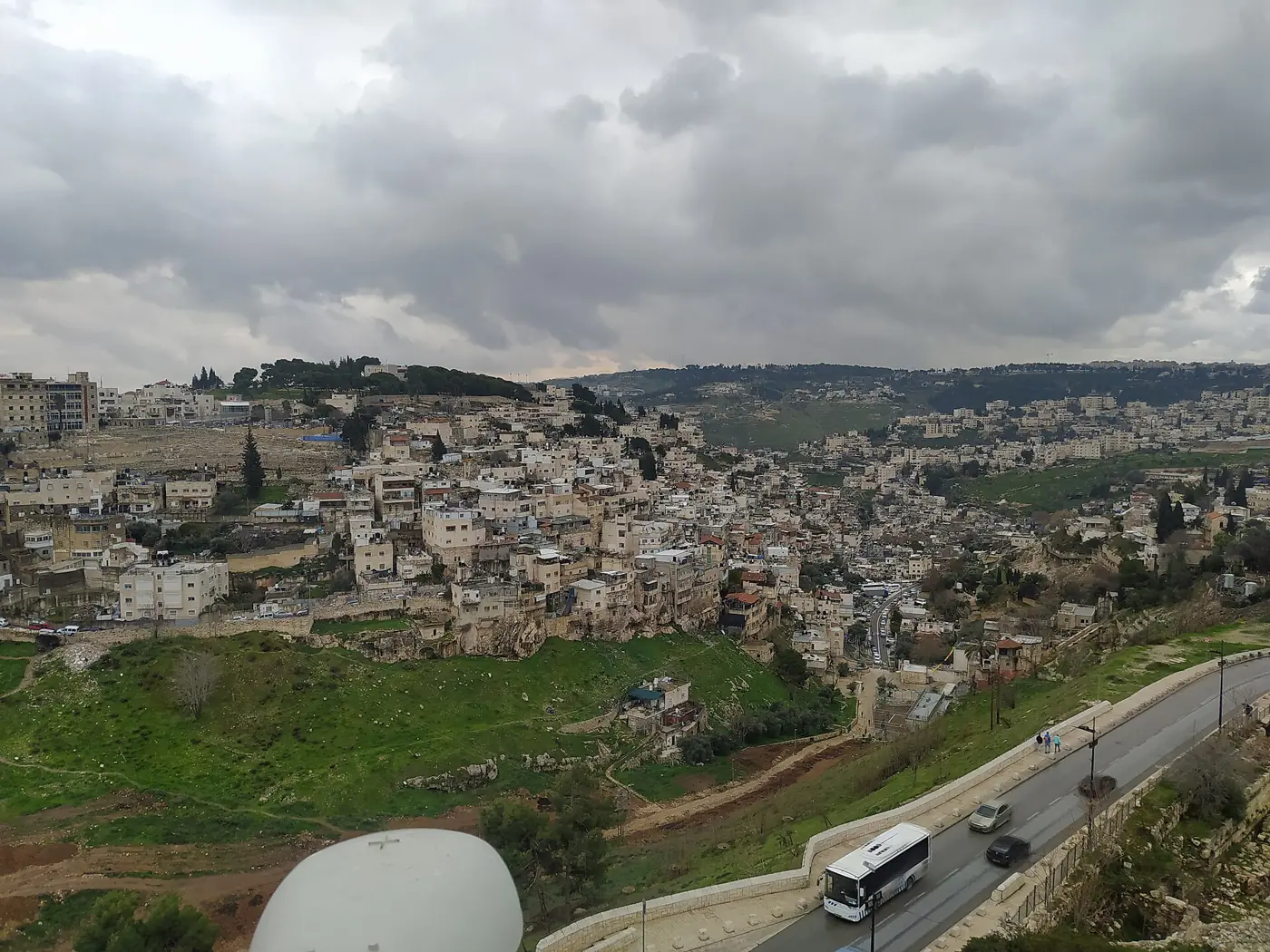
The Palestinian Jerusalem Governorate said excavations and tunnels beneath Silwan, especially Wadi Hilweh, were causing cracks, collapses and structural damage to homes above.
Dozens of Israeli settlers entered the Al-Aqsa Mosque compound through the Moroccan Gate on Sunday under Israeli police protection and performed prayers, WAFA reported.
Israeli settlers spray-painted slogans calling for the killing of Palestinians on the walls of homes in Beit Hanina, north of Jerusalem, on Sunday morning, WAFA reported.
Israeli authorities forced Fawaz al-Rajabi to demolish his family's 60-square-metre home in Beit Hanina, citing construction without a permit, WAFA reported.
Settlers, protected by Israeli police, installed an iron gate at the entrance to Silwan's Wadi al-Rababa neighbourhood, home to more than 1,000 Palestinians, blocking service vehicles, WAFA reported.
A Jerusalem court blocked the transfer of millions of shekels from Israel's Heritage Ministry to Ateret Cohanim for a planned Jewish heritage centre in Silwan, Haaretz reported.
Israeli forces with heavy machinery completed the demolition of the Abdullah family's 200-square-metre home in al-Tur's Sheikh Anbar area, which housed 16 people, after the family had begun knocking it down themselves.