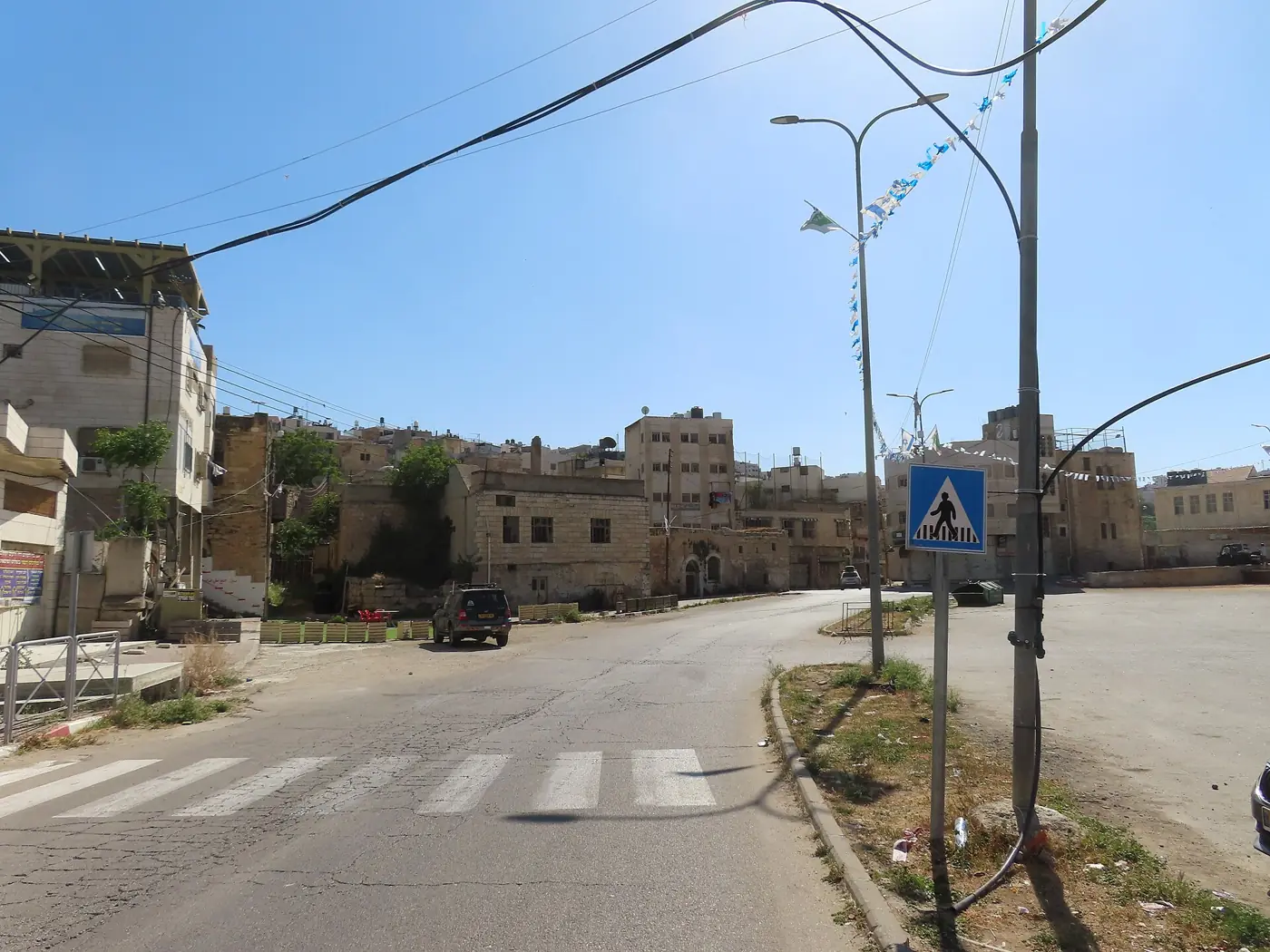
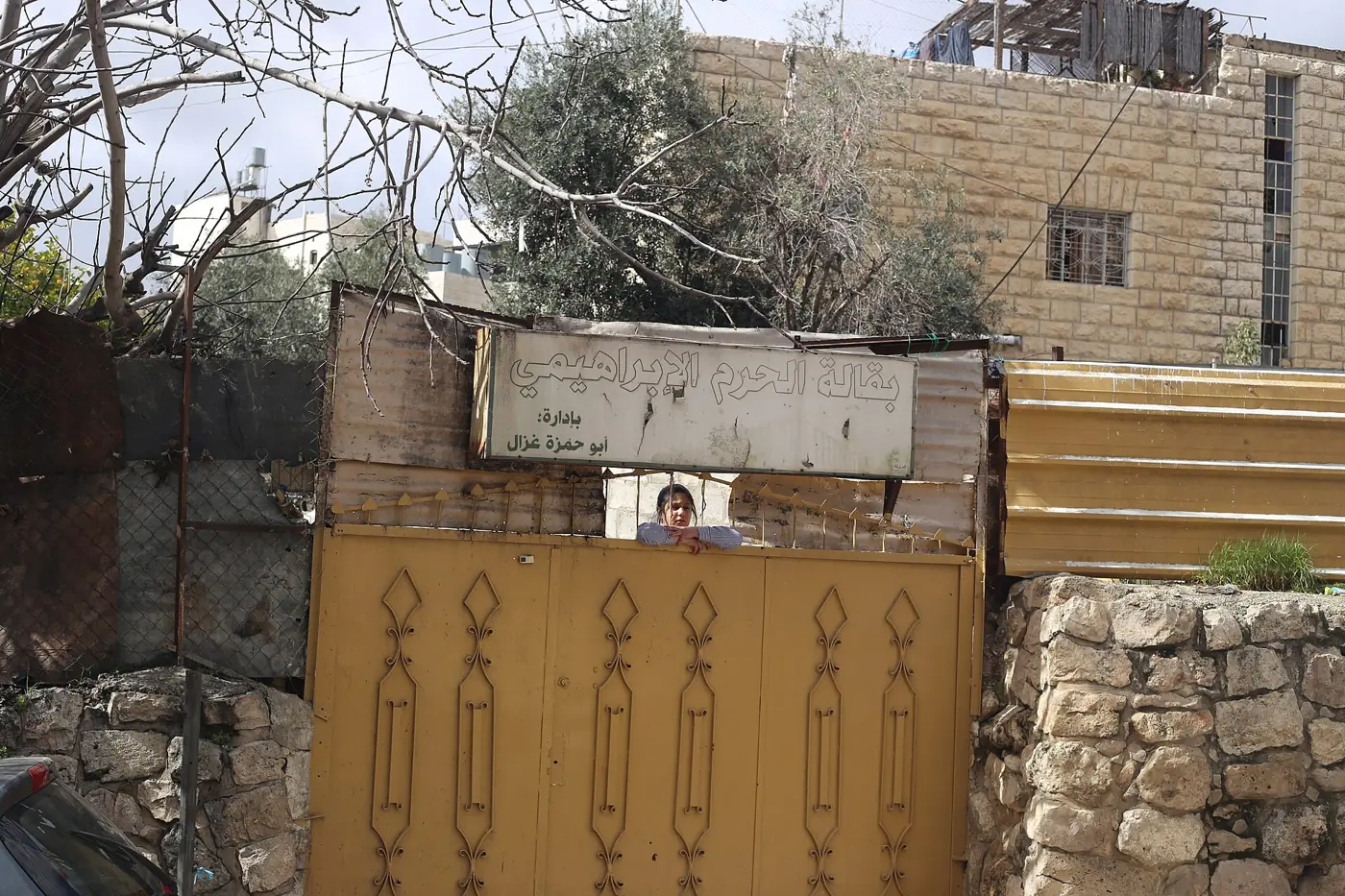
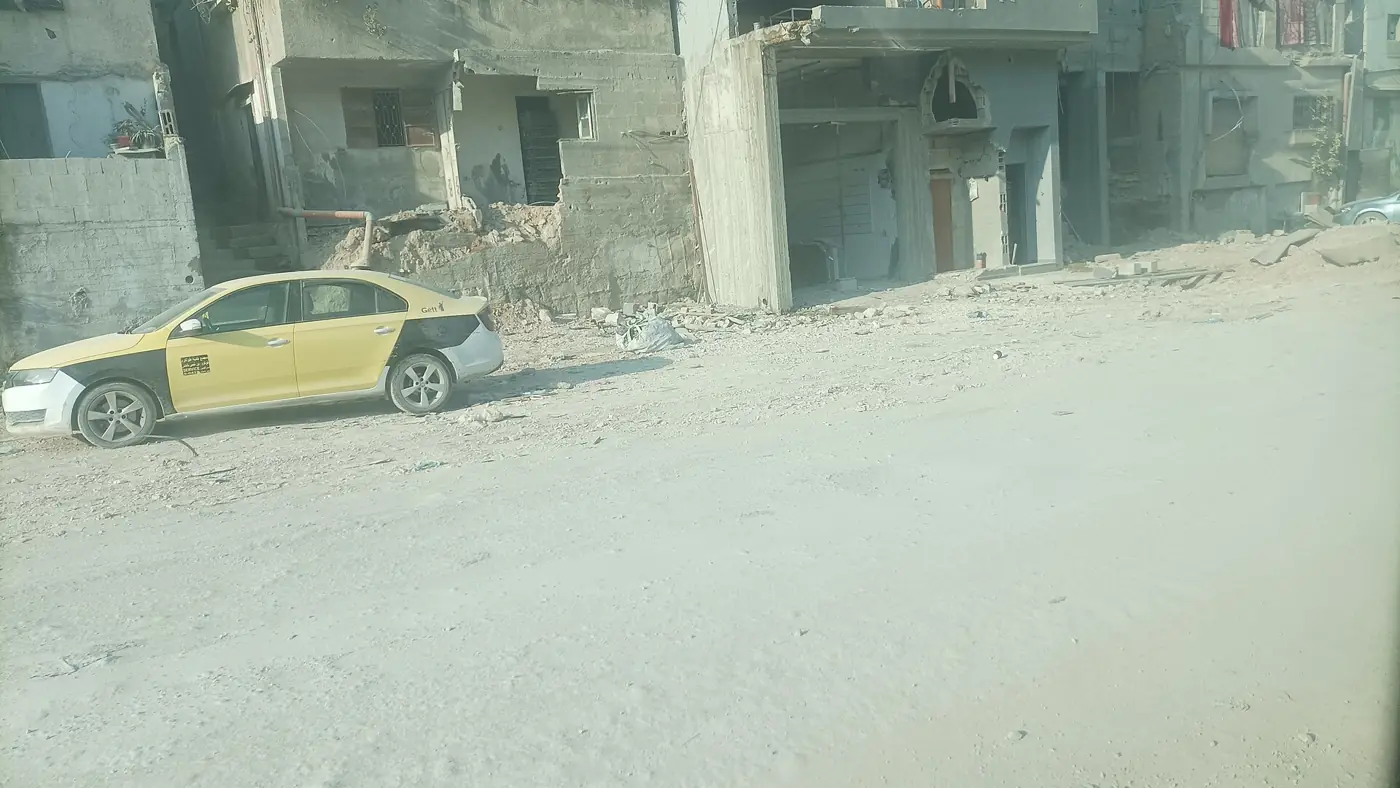
Israeli forces sealed the Ein Deir Baha and al-Jilda neighbourhoods, went house to house and began demolitions. The prime minister vowed to change the area completely.
The factline one
Israel's operation in Hebron, launched after two soldiers were killed at a checkpoint on 23 October, had displaced about 3,971 Palestinians by Monday, according to WAFA.
Netanyahu and Katz compared the operation to the 2025 demolitions in northern West Bank refugee camps, which expelled tens of thousands of people and which Human Rights Watch said amounted to war crimes and crimes against humanity.
A Jerusalem court released settlement security coordinator Pinhas Shem Tov Ran to house arrest in the Golan Heights; he is accused of seriously wounding an 18-year-old Palestinian woman at an unauthorised roadblock.
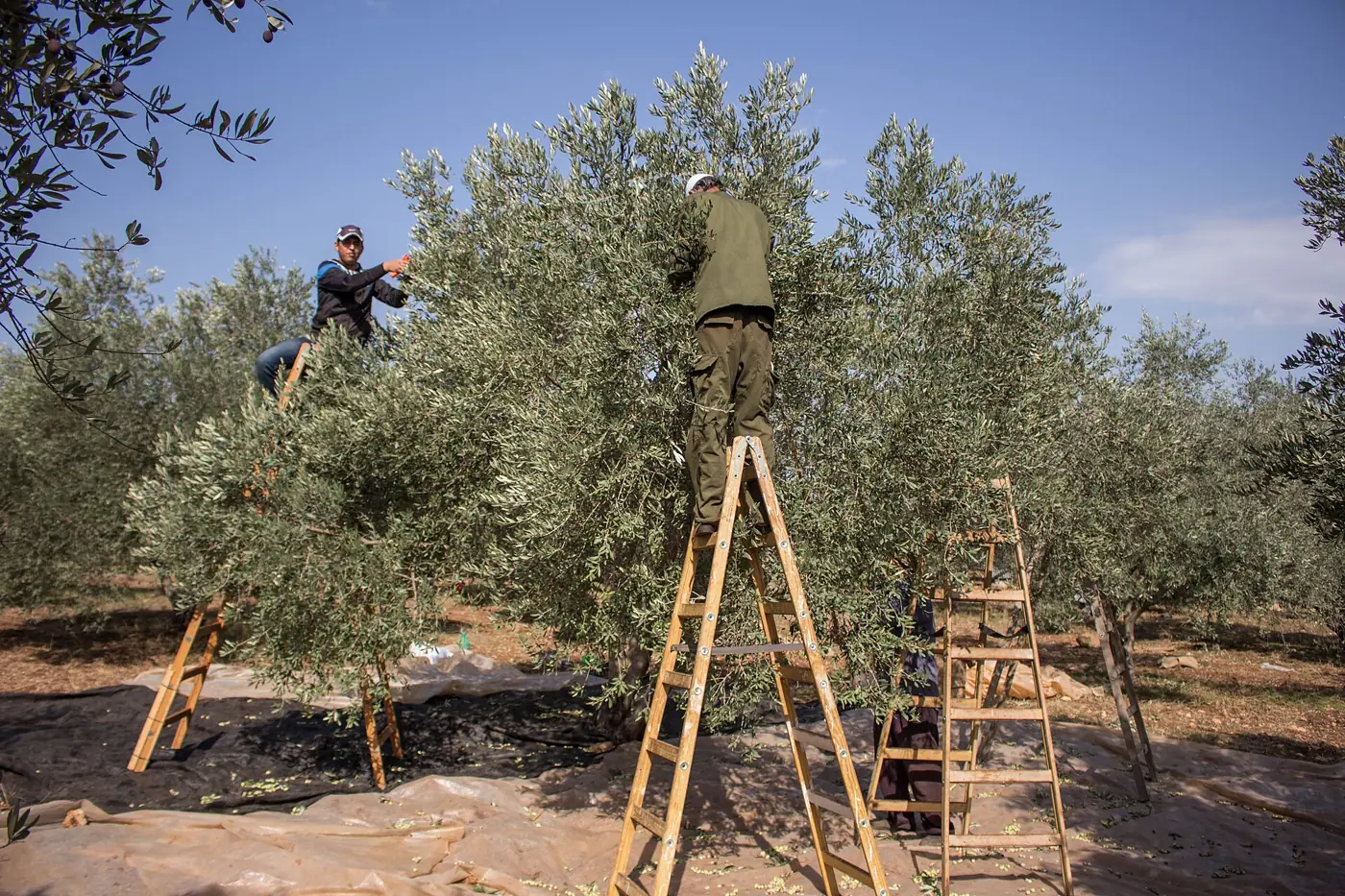
Rabbis for Human Rights said Israeli soldiers used a closed military zone order signed the same day to remove its activists and Palestinian farmers from an olive grove near Huwara.
Israel's public broadcaster Kan reported that army chief Eyal Zamir told Netanyahu there was no operational justification to continue the Hebron operation, and the prime minister ordered it to continue.
Settlers who had taken over a Palestinian-owned house near Jalud clashed with Israeli soldiers on Saturday, and the house was set on fire; the army said it was dealing with violent rioters at an illegal outpost.
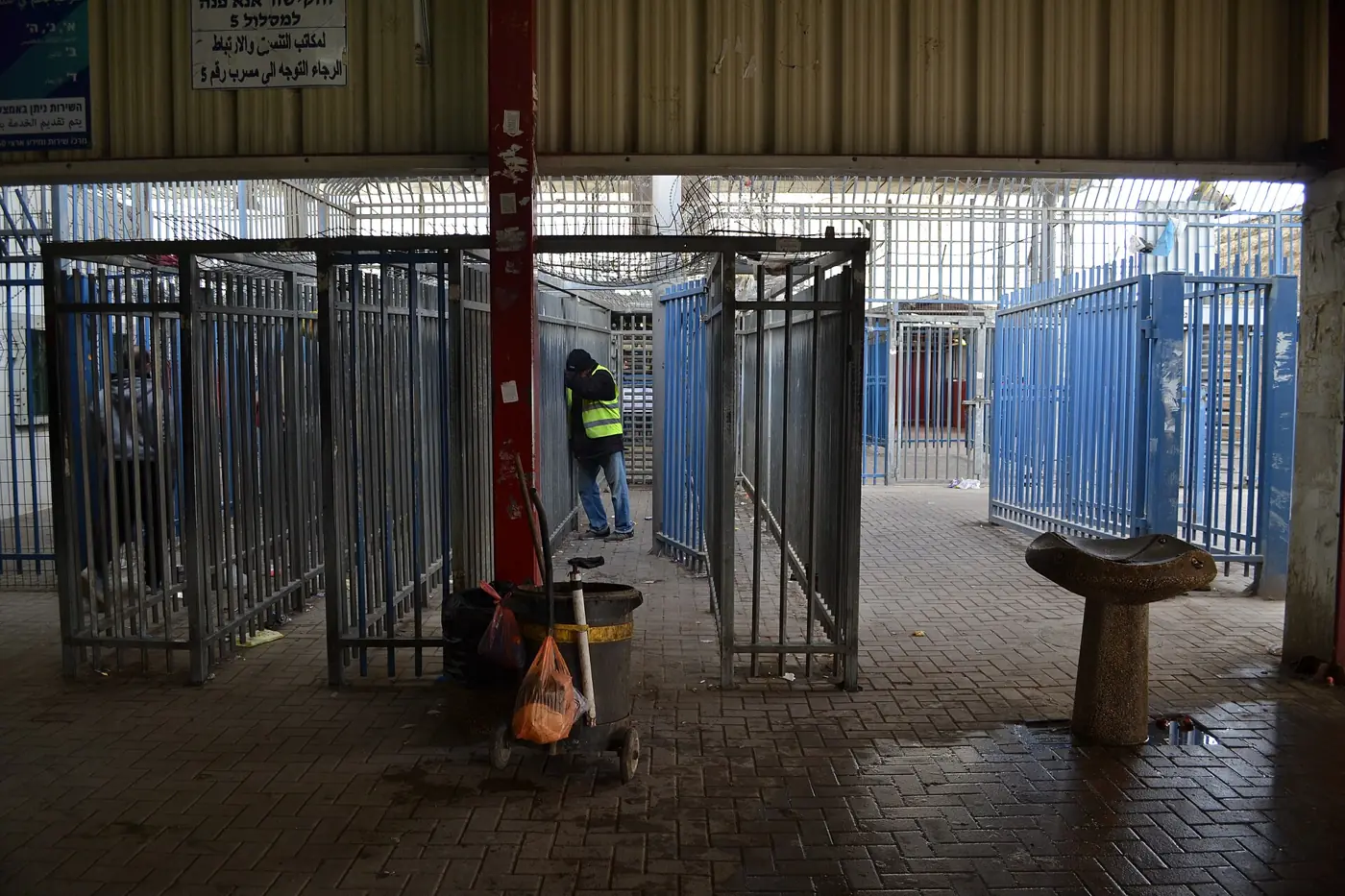
Israel said it would close all land crossings with the West Bank on 27 October, election day, and barred Palestinian workers from settlements from 25 October.
Palestinian farmers told France 24 that some settlers attacking groves wore keffiyehs, as Israeli rights group B'Tselem said soldiers often stand by while settlers attack and steal.
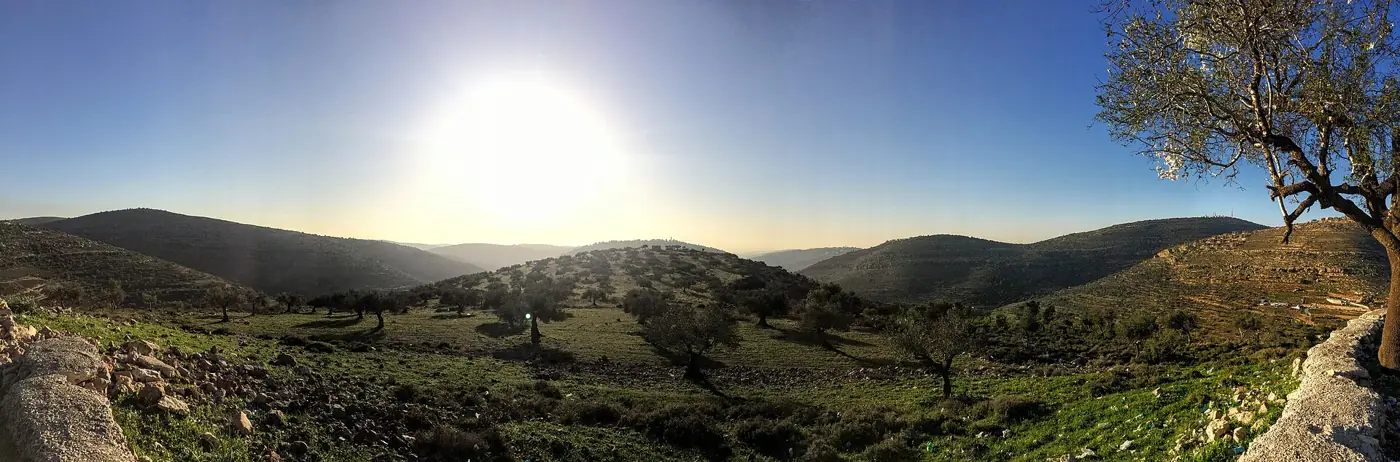
The harvest runs from mid-October to the end of November and supports tens of thousands of families; in 2026 harvest-related settler attacks passed the full-season totals of the two previous years by mid-October.
Yesh Din recorded 125 physical attacks on Palestinian olive harvesters and 168 cases of crop theft in the first 24 days of the season, with Israeli forces present in at least a quarter.
Israeli police said they arrested 10 people on 19 October over a wave of settler violence that included attacks on a Washington Post photographer and European diplomats.
About 80 settlers attacked olive pickers in Abu Falah, setting trees alight and throwing rocks; Washington Post photographer Heidi Levine was among those injured.
Israel's High Court ordered the state to give a timetable for the steps it says are needed before residents can return to the Jenin, Tulkarm and Nur Shams refugee camps, with a response due by 23 November.